
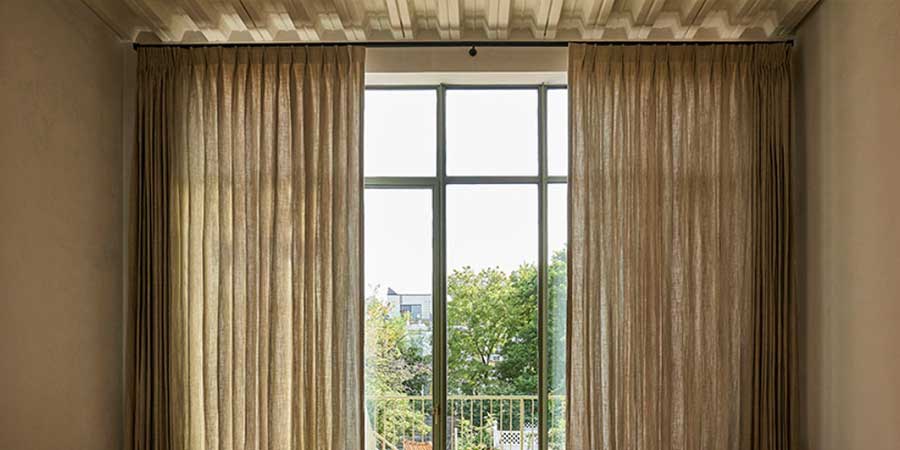
Some window treatments fade into the background. Others quietly define a space. Pinch pleat drapery belongs in the second category, bringing balance, polish, and just enough drama to make a room feel complete. As a form of custom drapery, it’s known for its structured folds and graceful movement, and this classic style has remained a favorite for good reason: it works, it lasts, and it looks beautiful doing it.
What Is Pinch Pleat Drapery?
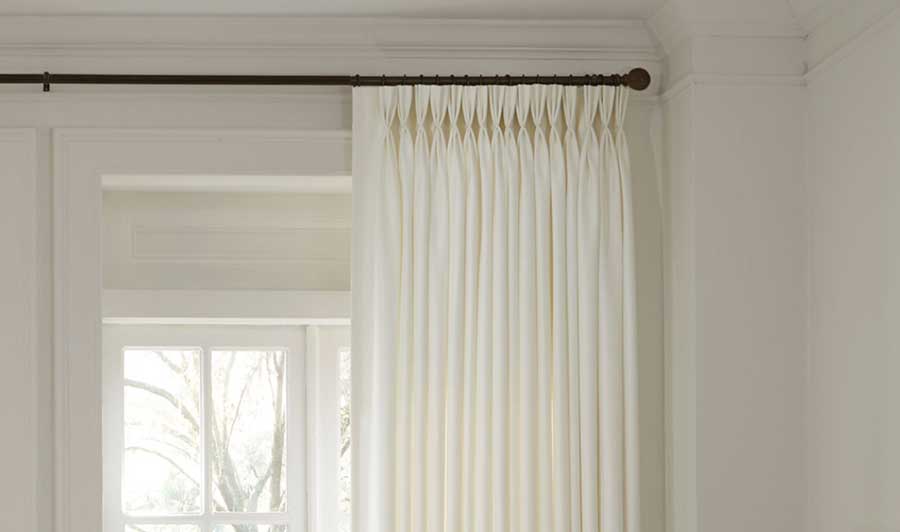
The magic lives at the top of the panel. With pinch pleat drapery, the fabric is gathered into evenly spaced folds that are stitched in place just below the header. This construction gives the panels their signature shape and ensures they hang consistently, even with daily use. The result is a clean, intentional look that feels custom.
A Style That Adapts to Your Home
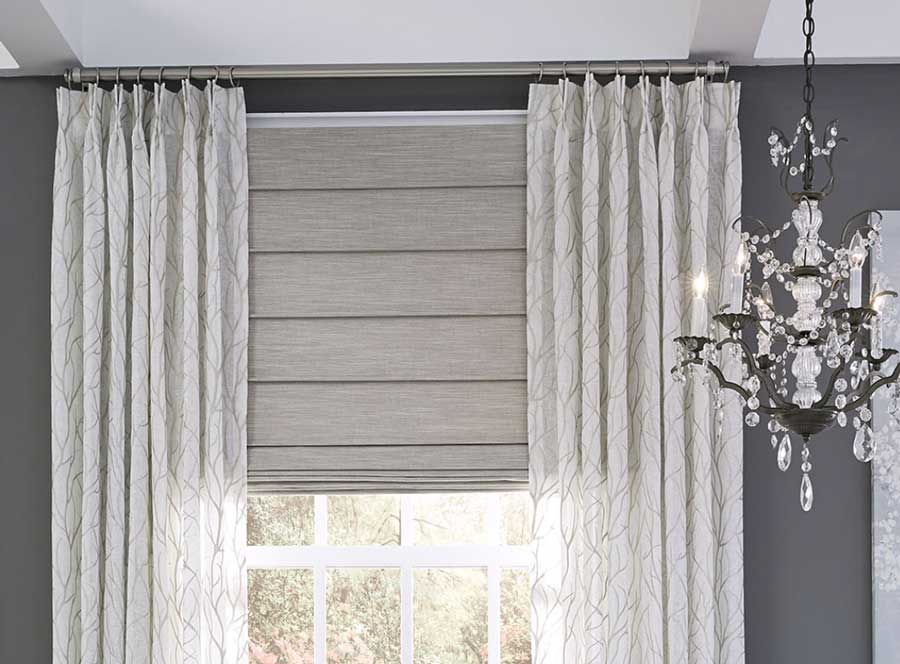
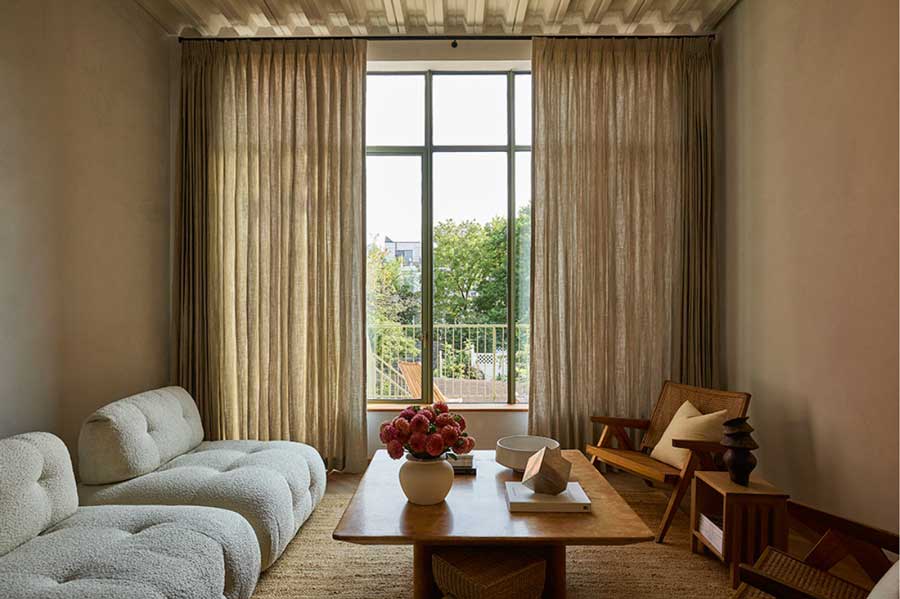
Rather than leaning clearly traditional or modern, pinch pleat drapery sits comfortably in the middle. Its adaptability makes it a smart choice for everything from historic homes to new builds. The overall feel is shaped by design decisions like pleat quantity, the fabric selection process, and hardware finishes. Linen can soften the look, while velvet can amplify it with richness and depth. Layering drapery with shades adds another level of flexibility, enhancing both the visual impact and day-to-day function of the window.
Understanding Pleat Variations
Not all pleats create the same impression. Double pleats offer a refined but approachable look, ideal for spaces that call for structure without formality. Triple pleats introduce additional fabric and fullness, making them well-suited for grand windows or rooms that benefit from a more dramatic presence. Both achieve balance in different ways.
How Pinch Pleat Compares to Euro Pleat
Euro pleats are stitched closer to the top edge, allowing the fabric to relax as it falls. This creates a looser, less structured appearance. Conversely, pinch pleat drapery maintains definition from top to bottom. Thus, making it a favorite for homeowners who prefer tailored lines and consistent spacing across the window.
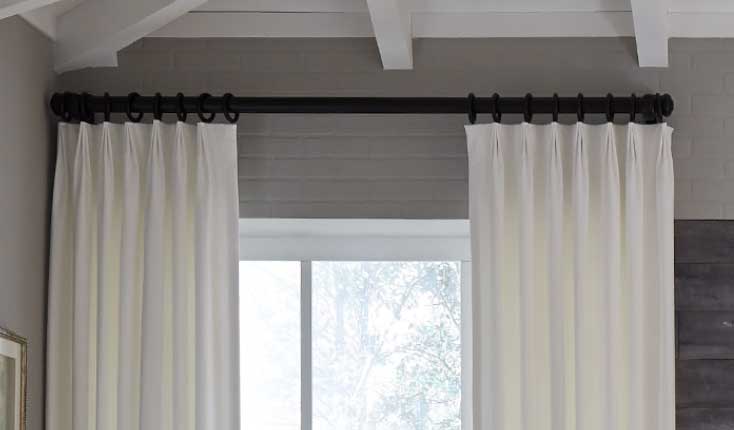
Fabric weight and texture play a major role in how this style performs. Medium-weight fabrics strike a balance between softness and structure, while heavier materials emphasize depth and fullness. Choosing the right textile isn’t just about color. It’s about how the drapery will move, filter light, and shape the room throughout the day.
Exploring Other Header Styles
The drapery header you choose plays an important role in the overall look of the space, and it’s a highly personal design decision. While pinch pleat styles have a refined, tailored appearance, they’re just one of several popular header options to consider. Many homeowners compare pleated headers with ripple fold and grommet styles when selecting custom drapery. Ripple fold drapery operates on a specialty track, maintaining soft, consistent waves that create the appearance of floating fabric across the window.
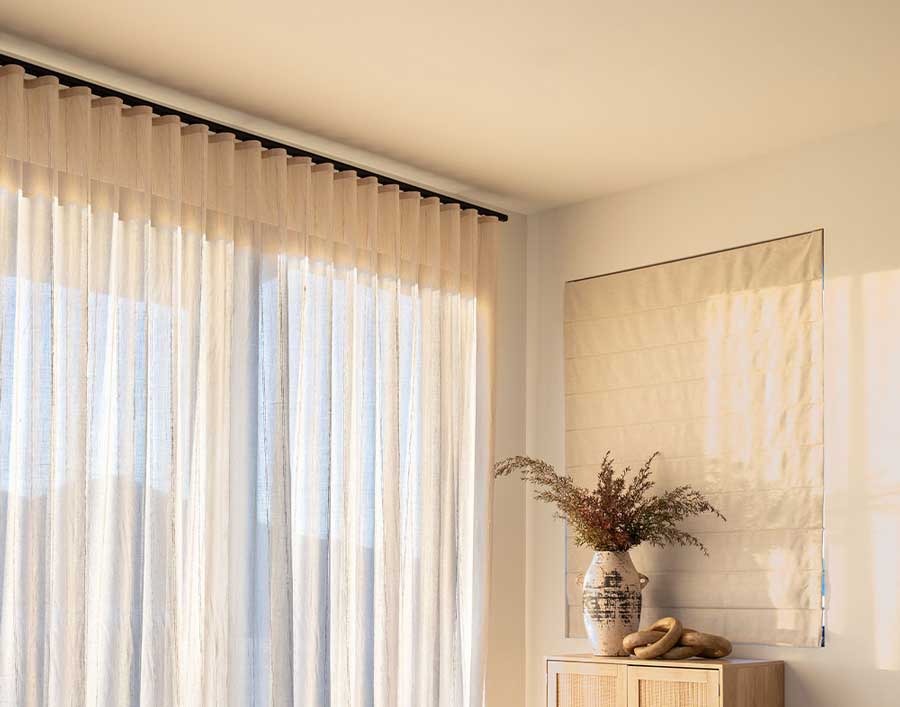
Grommet draperies have metal rings set into the fabric, allowing the panels to glide easily along the rod. This header style is less structured than pleated or ripple fold options. It can create a more relaxed, casual appearance depending on the fabric choice. Because the rings remain visible, their finish becomes an intentional design detail that should coordinate with the drapery rod for a cohesive look.

The 10 Most Popular Pleat Styles
- Double Pinch Pleat: The fabric is secured 3–4 inches below the top, creating a distinct “V” shape above and below each gather. This style is commonly referred to as a two-finger pinch pleat.
- Goblet Pleat: Fabric is shaped and supported to form a rounded, goblet-like design, with the base tacked to hold its form. Often described as a cup-shaped pleat, this style is more formal than many other options.
- Inverted Pleat: Fabric is pinched and stitched roughly a half-inch from the top, allowing multiple pleats to fan downward along the drapery. This construction is similar to a euro pleat header.
- Monarch Pleat: A variation of the double pleat, this style features fabric tacked about 2 inches below the top, creating a butterfly-like effect as the upper and lower portions of the pleat mirror each other.
- Natural Pleat: Similar in construction to the inverted pleat, the folds are secured at the top of the header and release down the panel. The result is a softer, less structured look with a relaxed feel.
- Inverted Pleat: A modern take on pinch pleat, this is also referred to as a euro pleat, creating an inverted “V” shape that flows gracefully down the drapery.
- Relaxed Pleat: Rounded folds tacked at the back of the fabric, forming 3–4 inch loops at the header that drape casually downward. No pinching is visible from the front, and this style is also known as a box pleat.
- Single Pleat: Shaped into one clean pleat, fabric begins at the header and continues straight down the panel, offering a simple, streamlined appearance.
Modern Convenience, Classic Design
Classic styling doesn’t mean outdated functionality. Fortunately, pinch pleat drapery can be created to operate as motorized drapery. Thus, allowing panels to open and close effortlessly using a remote, mobile app, or voice command. It’s a perfect blend of timeless design and modern ease.
Let’s Get Started Today!
Pinch pleat drapery offers a thoughtful balance of structure, flexibility, and beauty. It is a strong foundation for a well-designed room. With expert guidance, this style can transform any window into a focal point. Contact our team at Bazaar Home Decorating today to schedule a free consultation!