
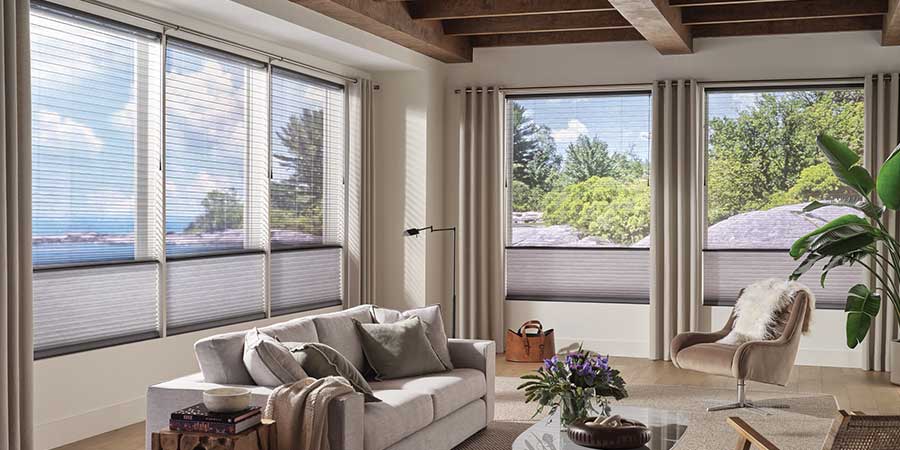
Cellular shades are known for their distinctive honeycomb construction, which creates insulating air pockets between the room and the window. That simple design is what helps cellular shades improve comfort and energy efficiency while still offering the light control, privacy, fabrics, and operating options you expect from a custom window treatment.
But what exactly is a cellular shade, and is it the same thing as a honeycomb shade? Here’s how the design works, what your options are, and where cellular shades can make sense in your home.
What Are Cellular Shades?
Cellular shades are fabric window shades constructed with individual cells that resemble a honeycomb when viewed from the side. Rather than using one flat layer of material at the window, the cellular structure creates pockets that trap air and provide an additional insulating layer between the window and your living space.

This construction is what separates cellular shades from window treatments such as roller or Roman shades. Depending on the collection, cellular shades are available in different cell sizes, fabrics, opacities, colors, and operating styles.
Are Cellular Shades and Honeycomb Shades the Same?
Yes. Cellular shades and honeycomb shades are two names commonly used for the same type of window treatment. “Cellular” describes the individual cells within the shade, while “honeycomb” refers to the shape those cells create.
Duette® Honeycomb Shades are Hunter Douglas’ premium cellular shade collection, combining this insulating construction with an extensive selection of fabrics, light-control options, specialty applications, and operating systems.

How Do Cellular Shades Help Insulate Windows?
The honeycomb structure creates pockets of air within the shade. These pockets help slow heat transfer through the window, adding an insulating layer between your home’s interior and the glass.
That can be particularly useful in Wisconsin, where windows are exposed to both cold winters and warm summer temperatures. Cellular shades can help make rooms more comfortable throughout the year, although the amount of insulation depends on factors such as the shade construction, fabric, fit, and window itself.
If improving comfort throughout your home is your primary goal, explore our guide to energy-efficient window treatments to compare cellular shades with other insulating window covering options.
Single-Cell vs. Double-Cell Cellular Shades
Not every cellular shade is constructed the same way. A single-cell shade uses one layer of honeycomb-shaped cells, while a double-cell design places one cell within another or uses an additional cellular layer.

Both designs create insulating air pockets, but additional cellular layers can increase the insulating effect at the window. Cell size and construction can also affect the shade’s appearance, stack, and performance, which is why the best choice depends on your windows and priorities rather than cell count alone.
Light-Filtering vs. Room-Darkening Cellular Shades
The honeycomb construction provides insulation, but the fabric you choose determines much of the shade’s light control. Light-filtering cellular fabrics soften incoming sunlight and provide privacy while keeping the room bright. Room-darkening fabrics are designed for spaces where you want to significantly reduce incoming light.
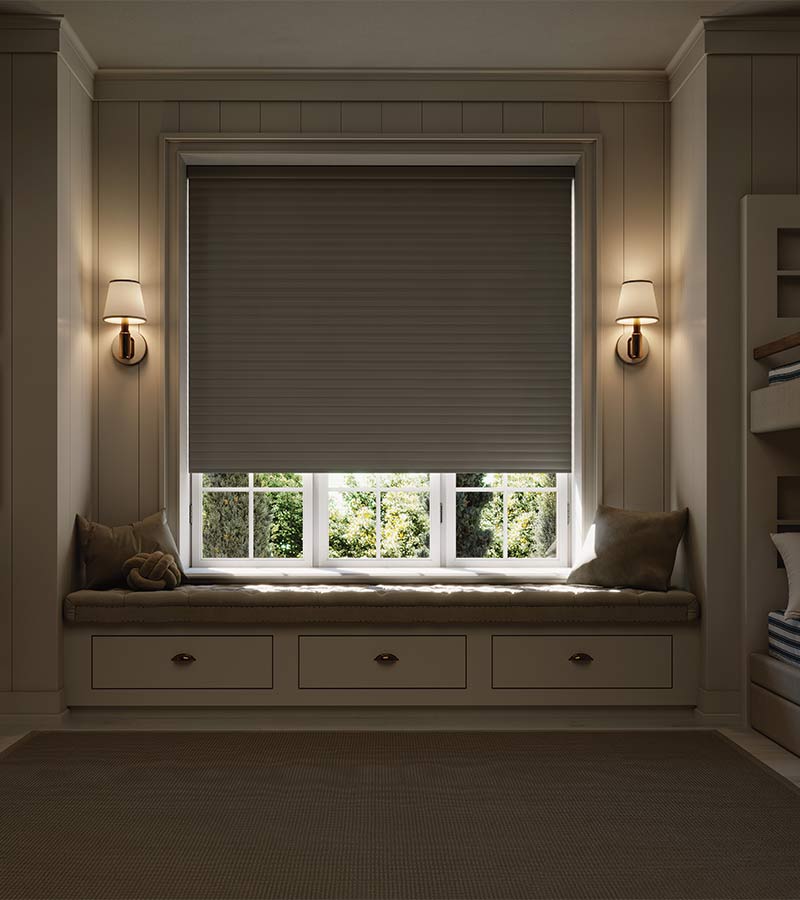
This flexibility makes cellular shades useful throughout the home. A living area might benefit from softly filtered daylight, while a bedroom may call for greater room darkening and privacy.
Where Do Cellular Shades Work Best?
Cellular shades are remarkably versatile because their streamlined design works on many different types of windows. They can be a good fit for bedrooms, living rooms, home offices, and other spaces where insulation, privacy, and adjustable light control are priorities. The cellular concept isn’t limited to traditional up-and-down shades, either. Specialty configurations can accommodate doors and other challenging openings.
Cellular Shades for Sliding Glass Doors
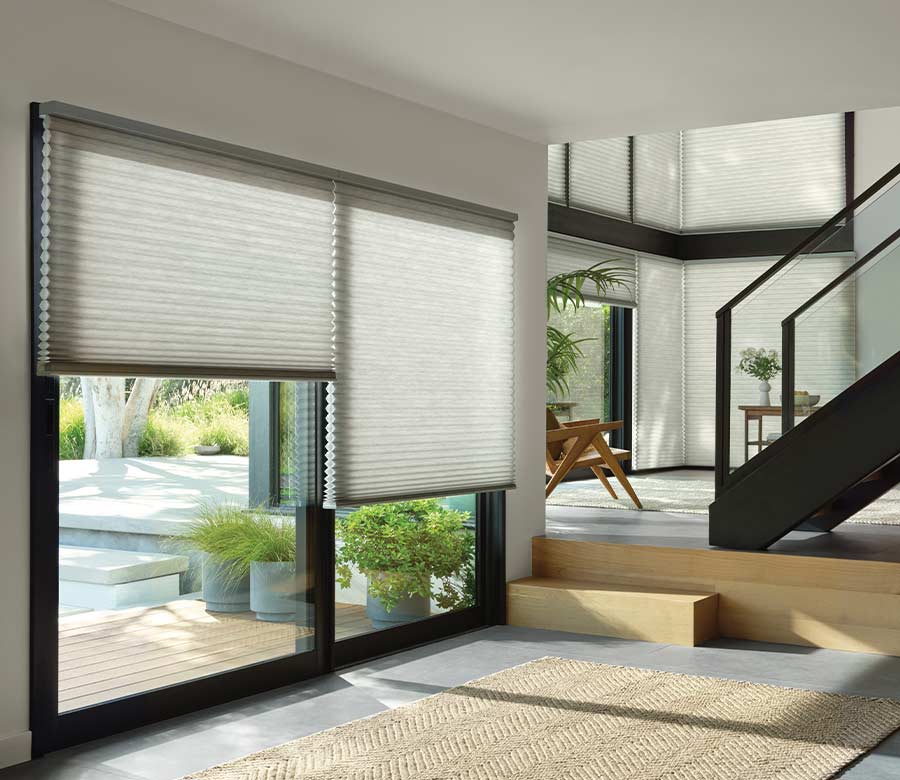
For wide openings, Duette® VertiGlide™ turns the cellular construction vertically. Instead of raising from the bottom, the shade travels horizontally across sliding glass doors and large windows, providing the insulating benefits and soft appearance of a honeycomb shade in a format designed for wide expanses of glass.

What Types of Cellular Shades Are Available?
Hunter Douglas offers more than one way to bring cellular construction to the window. The right collection depends on the appearance, operation, features, and budget you’re looking for.
Duette® Honeycomb Shades
Duette® Honeycomb Shades offer the broadest range of cellular shade possibilities from Hunter Douglas. They are available in an extensive selection of fabrics, colors, pleat sizes, and light-control options, along with specialty configurations and operating systems.
If you’re comparing Duette fabrics, features, Top Down Bottom Up operation, room-darkening options, or specialty solutions, visit our Duette® page for a closer look at the complete collection.
Applause® Honeycomb Shades
Applause® Honeycomb Shades provide another approach to classic cellular design. The collection offers a more streamlined selection for homeowners who want the comfort, clean pleats, and insulating structure of honeycomb shades without needing the extensive range of options available with Duette®.
Sonnette® Cellular Roller Shades
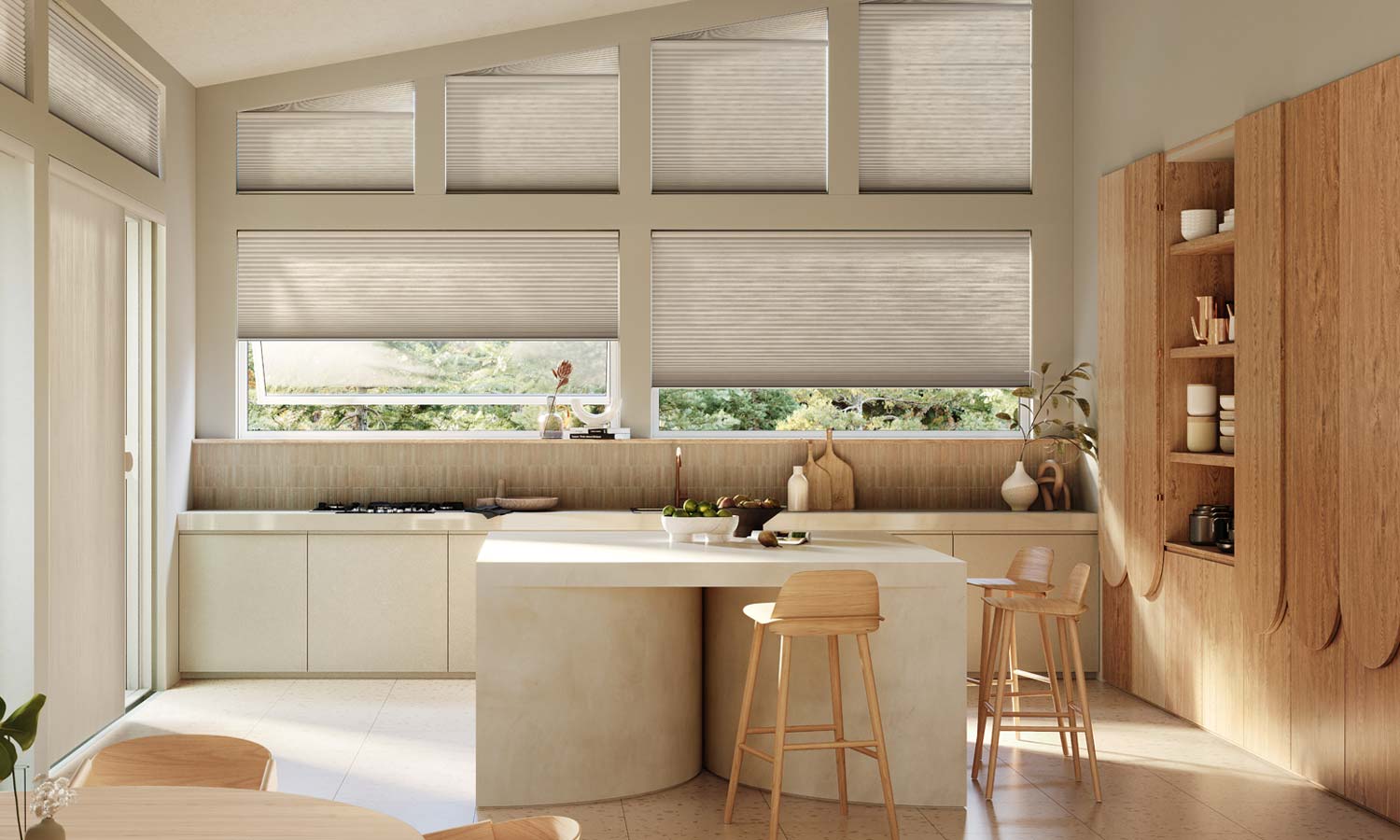
Sonnette® Cellular Roller Shades combine cellular construction with the clean appearance and simple operation of a roller shade. Rather than displaying horizontal honeycomb pleats across the window, Sonnette rolls neatly into its headrail.
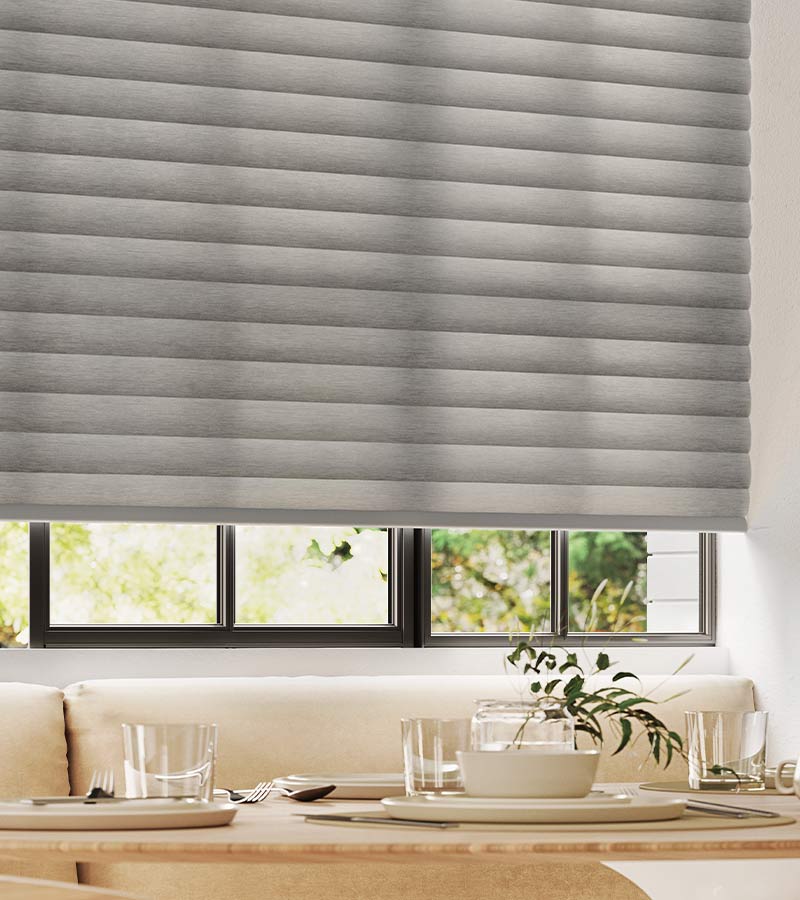
This makes Sonnette an interesting choice for homeowners who like the streamlined look of roller shades but also want a cellular construction at the window.
Can Cellular Shades Be Motorized?
Many cellular shades can be paired with motorized window treatment options for easier everyday control. Motorization is particularly useful for tall or hard-to-reach windows, rooms with multiple shades, or homeowners who want their window treatments to adjust on a schedule.
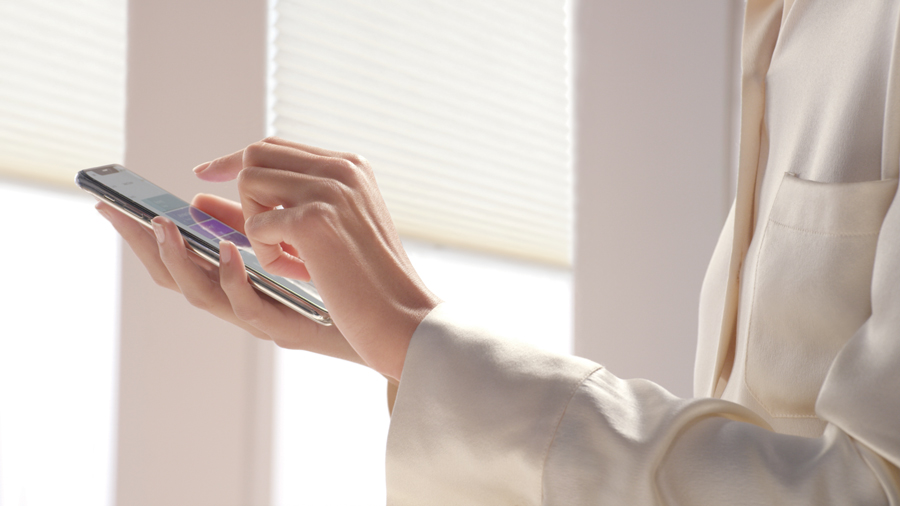
The available operating systems vary by collection and configuration, so motorization is one of the details worth considering when comparing cellular shade options.
Are Cellular Shades Right for Your Home?
Cellular shades are worth considering when energy efficiency, comfortable interiors, privacy, and flexible light control are priorities. Their clean profile also makes them easy to incorporate into traditional, transitional, and contemporary interiors.
The best cellular shade ultimately depends on more than the honeycomb design itself. Window size and shape, sunlight exposure, privacy needs, fabric opacity, operating preferences, and your desired style all influence which collection and configuration will work best.
At Bazaar Home Decorating, we can help you compare Duette®, Applause®, Sonnette®, and specialty cellular solutions in person and determine which options make sense for your windows. Schedule a FREE in-home consultation to get started.
